
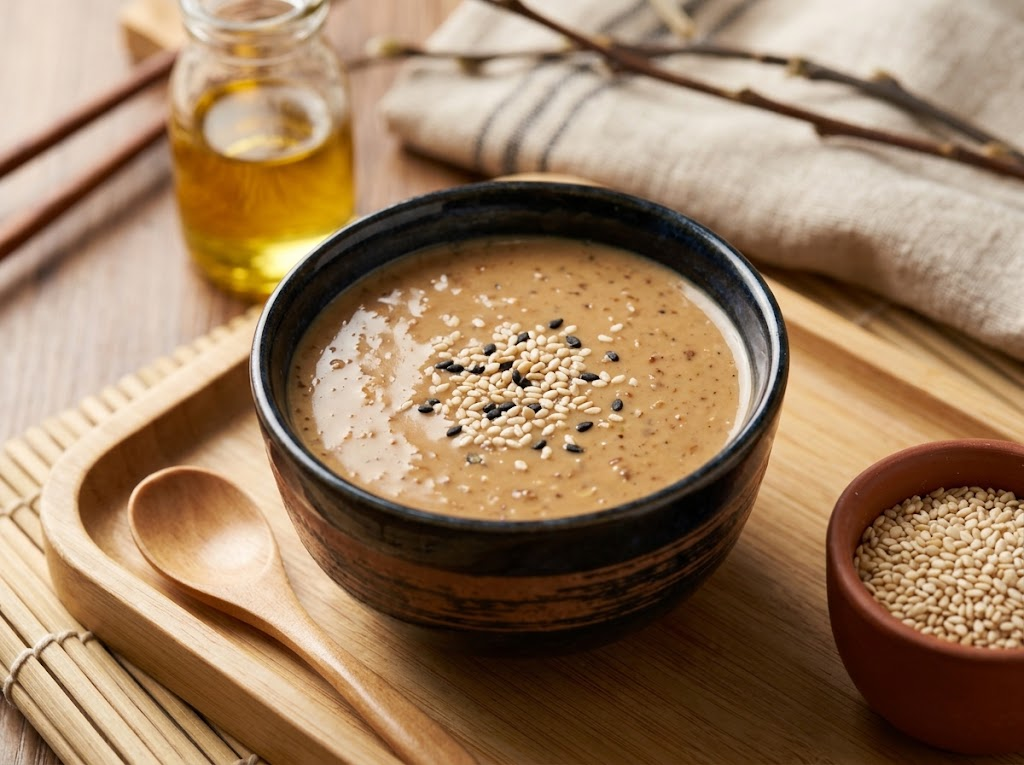
Bitter sesame sauce is usually caused by 3 main things: roasting the sesame too dark or burning it, blending for too long so heat builds up, and using sesame seeds or oil that are no longer fresh and have started to smell rancid.
If the bitterness comes from the cooking process and you are sure the ingredients are still fresh, you can try adjusting the taste little by little. But if the sauce's taste or smell has changed abnormally during storage, do not try to mask it and keep eating it.
Why Is Sesame Sauce Bitter? 3 Common Causes
Before fixing the taste, find the cause first, because sesame sauce that is bitter from roasting or cooking is different from sauce that tastes abnormal because the ingredients have deteriorated. If you get the cause wrong, adding more seasoning may make the taste worse or cause you to overlook a food quality problem.
1. Roasting the sesame too dark or burning it
Sesame exposed to heat for too long or too strongly develops a burnt smell and a more noticeable bitter taste, especially when the seeds turn very dark brown or have burnt spots.
If the sesame is burnt to the point of smelling smoky or tasting clearly burnt, do not keep using it, because adding other seasonings rarely masks burnt flavors.
2. Blending for too long so heat builds up
A high-speed blender can heat up the sesame and other ingredients while blending. If you blend continuously for too long, the sesame aroma may change and the bitterness may become stronger.
To prevent this, blend in short bursts with pauses, and let the mixture rest when it starts to feel warm, instead of blending continuously for a long time.
3. Sesame seeds or oil that are not fresh and have started to go rancid
The quality of sesame seeds and oil can change when exposed to air, light or heat for a long time.
If the ingredients smell rancid, taste abnormal, or you are unsure how they were stored, stop using them and switch to a new batch instead of trying to mask the taste.
4 Ways to Fix Bitter Sesame Sauce When the Ingredients Are Still Fresh and the Problem Comes from Cooking
The following methods are suitable only when you have checked that the ingredients are still fresh, with no rancid or spoiled smell, and the bitterness comes only from roasting or cooking.
Before adjusting the taste, we recommend that you always test it first in a small bowl, rather than adjusting the whole pot at once.
1. Mix with a new batch of base sauce that isn't bitter
If the sauce is only slightly bitter from roasting the sesame too dark, an easy way to control the taste is to make a new batch of base sauce using fresh ingredients and sesame roasted more lightly than before.
Then gradually mix it into the original sauce a little at a time, tasting each time before adding more. This reduces the bitterness without adding so many other flavors that the character of the sauce changes.
2. Add freshly roasted sesame to restore the aroma
Roast a new batch of sesame over low to medium heat, stirring evenly, and stop when the seeds smell fragrant and are slightly darker.
Let the sesame cool before grinding, then add it to the sauce a little at a time. This adds fresh roasted sesame aroma and reduces the bitterness when it is not too strong.
3. Balance with a little sweetness and acidity
If the sauce is still slightly bitter, you can try adding a little of the sweet or sour ingredients already in your recipe, such as sugar, vinegar or citrus juice.
Add a little at a time and taste each time, because too much sweetness or acidity can overpower the sesame aroma and change the sauce from the original recipe.
4. Balance the saltiness and umami
In some recipes, adding a little shoyu or seasoning sauce can make the overall taste more rounded, but stick to the ingredients already in your recipe and adjust a little at a time.
If you use shoyu or other soy-containing products in food for sale, take the soy allergen information into account and handle the information on labels or at the point of sale appropriately according to the relevant requirements.
Tips for Roasting and Blending Sesame Without Bitterness
Preventing bitterness from the start is more important than fixing it later, especially for restaurants that make sauce in many batches and want the taste to be similar every time.
- Use low to medium heat and stir the sesame evenly so no part stays in contact with the pan for too long.
- Stop roasting when the seeds smell fragrant and are slightly darker. Don't wait until they smell burnt.
- Let the sesame cool before grinding to reduce heat buildup during blending.
- Blend in short bursts with pauses, not continuously for too long.
- Use fresh sesame seeds and oil, store ingredients in closed containers, and avoid direct heat and light.
If you make sesame sauce to sell, how can you keep the taste consistent?
Restaurants and food businesses should set the recipe by clear weights or quantities, use ingredients from the same source consistently, and record key steps such as how you roast, how you blend and the tasting results of each batch.
If the taste or smell of a batch clearly differs from your shop's standard, set it aside to check before serving. Don't immediately fix it by adding seasonings to mask the problem.
An Option for Restaurants: Purefoods Ready-Made Roasted Sesame Dipping Sauce
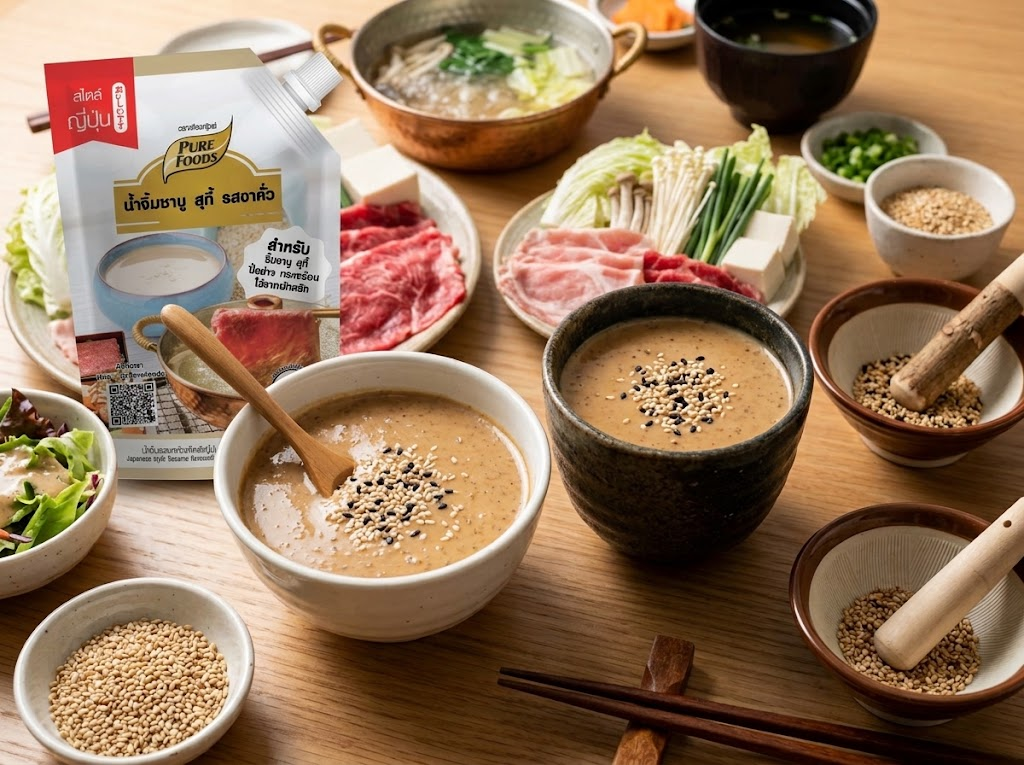
Restaurants that want to cut down on preparing sesame dipping sauce can consider Purefoods ready-made roasted sesame dipping sauce as another option.
Before using product details for sales or promotion, always check the recipe name, package size, storage instructions and product information on the current label or product page every time.
Related links:
- Sesame dipping sauce category:
- Roasted sesame dipping sauce, 150 g:
- Roasted sesame dipping sauce, 850 g: https://purefoodsthailand.com/product/roasted-sesame-sauce-850g
- Roasted sesame dipping sauce, mala flavor, 150 g: https://purefoodsthailand.com/product/roasted-sesame-sauce-mala-150g/
Frequently Asked Questions About Bitter Sesame Sauce
1. Does slightly bitter sesame sauce need to be thrown away?
It depends on the cause. If you are sure the ingredients are still fresh and the bitterness comes from roasting or cooking, you can scoop out a small amount and test adjusting the taste.
But if the sauce's taste or smell has changed abnormally during storage, it smells rancid or spoiled, or you are unsure whether it is safe, stop using it and do not try to mask the taste to keep eating it.
2. Can sesame that has started to burn still be used for sauce?
If the sesame smells clearly burnt or has many burnt seeds, it is not recommended for making sauce, because burnt flavors are hard to fix.
If only a few seeds are too dark, pick them out and assess the aroma and taste of the remaining sesame before using it.
3. Why should you adjust sesame sauce in a small bowl first?
Testing a small amount lets you clearly see the effect of each ingredient you add, and reduces the risk of making the whole pot too sweet, sour or salty.
Once you have the right proportions, apply the same approach to a larger quantity.
4. What should you watch out for when using shoyu or soy-containing sauces to adjust the taste?
Soy is an important allergen. If you make food for sale, check the ingredients of your raw materials and manage allergen information correctly according to labels and the relevant requirements.
5. Should restaurants make sesame sauce themselves or use a ready-made one?
It depends on the type of restaurant, how much you use and how much control you want over the recipe.
Restaurants that want a unique recipe may choose to make it themselves and set clear production standards, while those that want fewer preparation steps may consider ready-made products, choosing based on actual product information and their own usage conditions.
Summary
Bitter sesame sauce is usually related to roasting the sesame too dark or burning it, heat building up during blending, or ingredients that are not fresh.
If the problem comes from cooking and the ingredients are in normal condition, you can try adjusting the taste little by little. But if the taste or smell has changed abnormally during storage, masking it with seasoning is not the solution.
For restaurants, keeping ingredients, roasting, blending and the recipe consistent helps reduce the chance of bitter sesame sauce from the start.
📞 Phone: 081-546-6606 (24Hrs)
LINE: Line : @purefoods
E-mail: Pure Foods
