
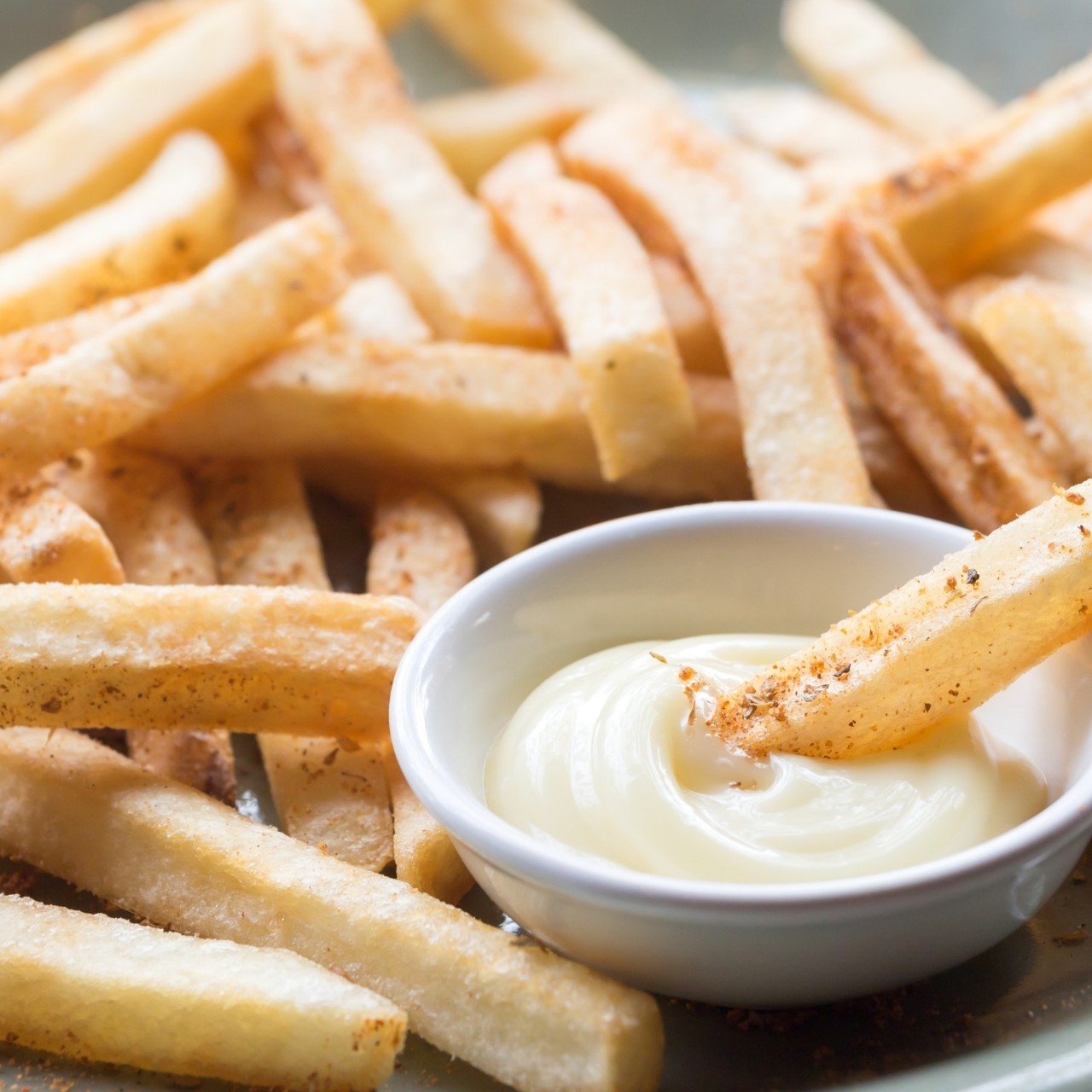
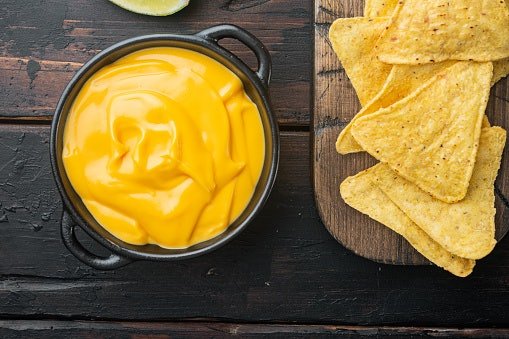
The worddip means to dip, so a dip is understood to be a thick sauce that plays a key role in giving food the flavor of that particular dip. It differs from regular, runny sauces in that a dip is very thick, so when food is dipped into it, the dip clings to the food, blending its flavor with the food and making it more enjoyable. The dip most commonly eaten with fried foods such as French fries in Thailand has long been ketchup, and another dip that has become widely used in recent years is cheese dip, sometimes called cheesy dip.
The History of Cheese Dip
Cheese dip originally comes from the blending of food cultures of Texas in the United States and Mexico, known as Tex-Mex style. This cuisine features ingredients such as cheese, beans, meat, chili peppers, and spices eaten with corn tortillas. The original name for cheese dip was therefore Spanish: chile con queso, meaning chili with cheese, often shortened to queso, which is commonly known as thin, crispy tortilla chips served with cheese dip.
The original cheese dip recipe is not clearly known, but records show that the main ingredients of early queso, or cheese dip, were processed cheese, a seasoned cheddar-type cheese from the United States, mixed with freshly chopped jalapeño peppers (Mexican chili peppers).
Over the years, cheese dip recipes began to change from region to region. For example, the original cheese was replaced with a newer type of processed cheese from the United States that had a stronger cheese aroma and flavor and stayed melted well even when other ingredients were added to the recipe, making it suitable for cheese dip sauce. Fresh jalapeño peppers, which were hard to find in some areas, were replaced in some recipes with paprika or cayenne pepper powder. There are also recipes that add canned tomatoes seasoned with green chilies. From the simple original cheese dip of chili peppers in ordinary processed cheese, the recipe has been adapted in many ways wherever cheese dip has traveled.
Cheese dip is not only well known in Texas and Mexico, where it originated, but also in the state of Arkansas. It started when people from Texas opened Mexican-style restaurants there that became known for their cheese dip, and cheese dip became more and more widespread. Arkansas has even promoted tourism with a travel map for cheese dip fans to try many different cheese dip recipes at restaurants across the state.
Types of Cheese Dip and Their Ingredients
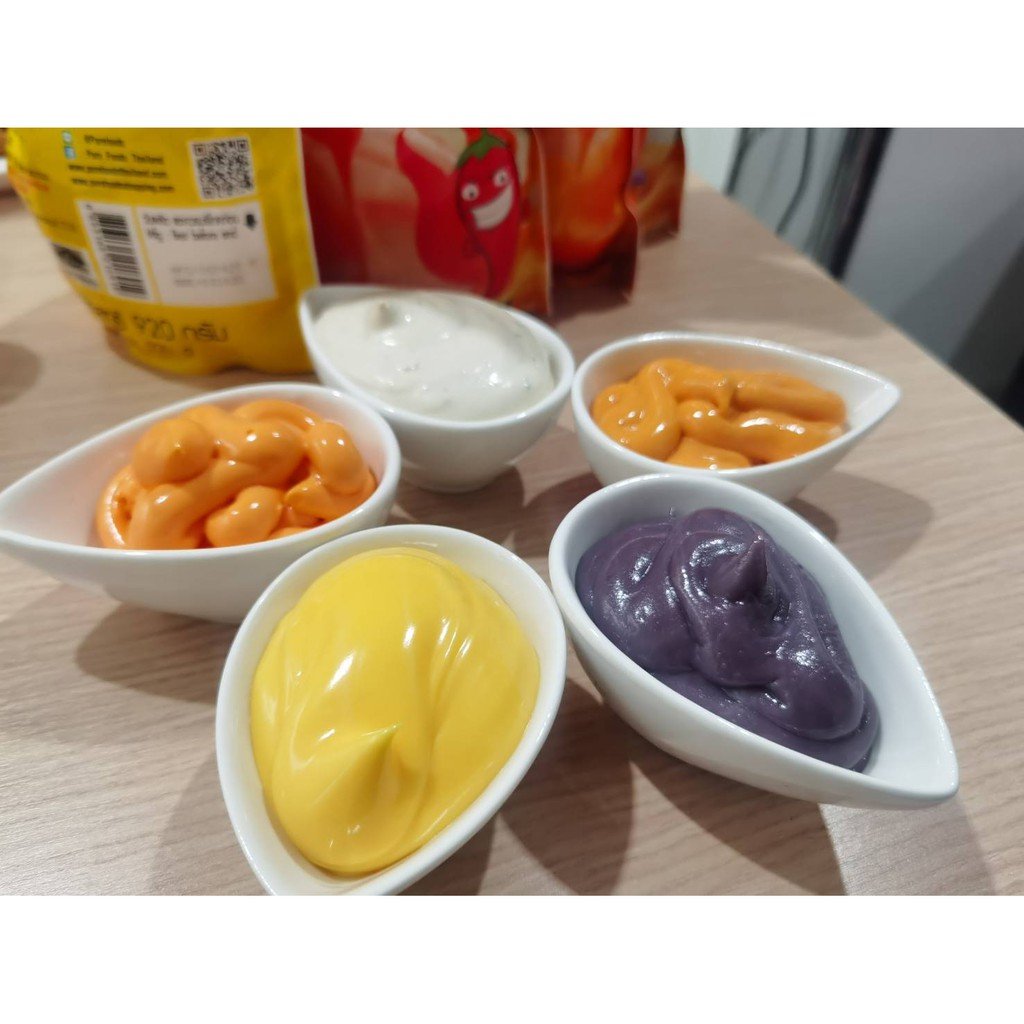
Cheese dip ingredients can be divided into cheese-based types and mayonnaise-based types, to look at the ingredients and preparation in detail.
1. Cheese-based cheese dip can use cheese alone or include other ingredients in different amounts depending on the recipe. The ingredients generally include:
• Cheese
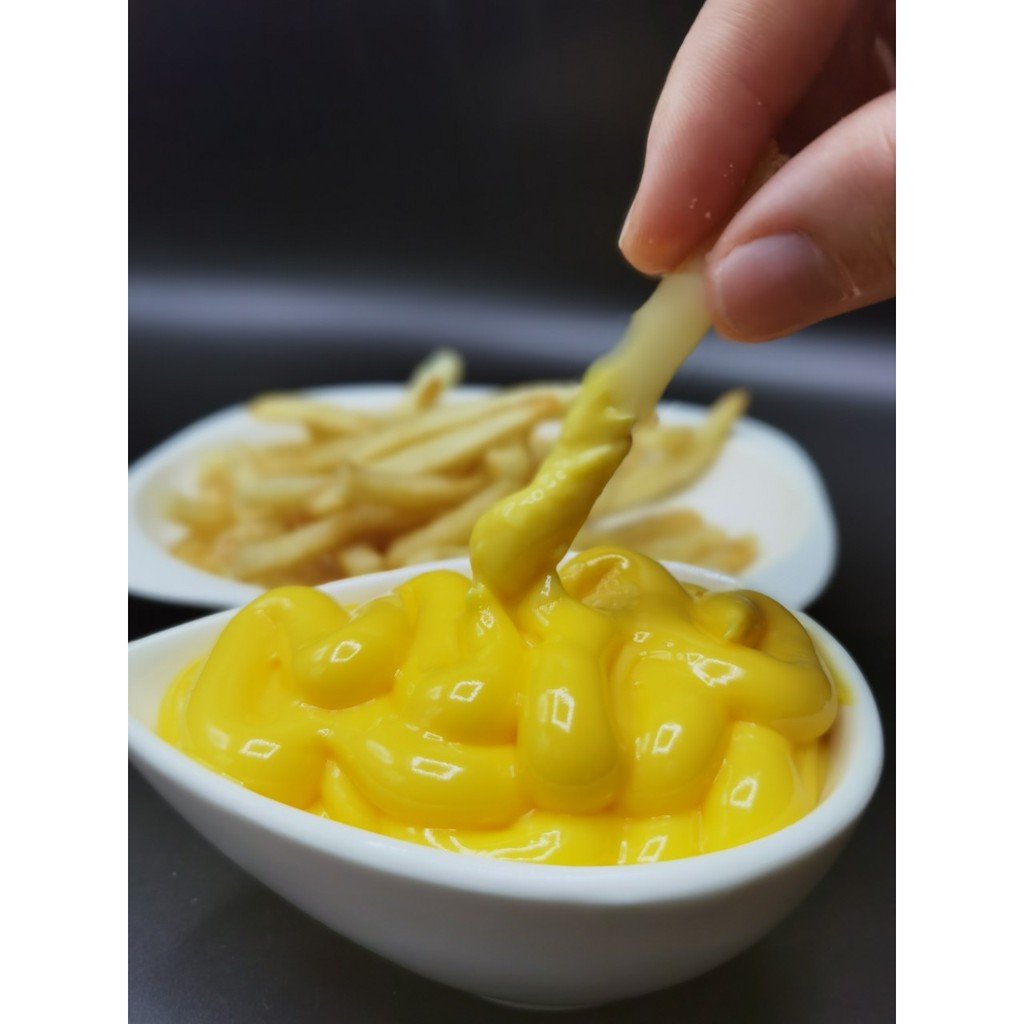
When cheese is the base of a cheese dip, the choice of cheese has a large effect on getting the desired dip characteristics, because different cheeses require different preparation methods, serving methods, and additional ingredients to keep the cheese melted as a dip. Each recipe can use either a single type of cheese or several types.
• Starch
For example, cornstarch. Adding starch helps the cheese dip stay melted for longer, so it does not need to be reheated while eating, because cornstarch helps keep the milk proteins apart so they do not clump into hard lumps.

• Milk and dairy products
For example, cream cheese, butter, and sour cream make the cheese dip more fluid and add a richer, creamier texture with flavors that go well together, since cheese is also a dairy product. Adding milk also adds protein to the cheese dip.
• Spices such as pepper and chili powder
• Vegetables
Some recipes may add chopped bell pepper, chopped tomato or chopped onion as a topping for cheese dip.
• Meat
Some recipes may add cooked, chopped bacon for extra texture and a more rounded flavor.
• Sauces
Some recipes may add ketchup or mayonnaise to the cheese dip for extra flavor.
• Extra seasonings such as sugar and syrup
2. Mayonnaise-based cheese dip consists of a mayonnaise recipe with cheese added as an ingredient. The ingredients are as follows:
• Mayonnaise
Mayonnaise is mainly made from egg yolks, vinegar, and oil, and it has a creamy white to pale yellow appearance. The mayonnaise used in each cheese dip recipe may have a different flavor depending on the type of oil and vinegar used, and consumers can choose a mayonnaise flavor for their cheese dip according to their preference.
• Cheese
The cheeses mixed with mayonnaise to make cheese dip are usually ones that melt well, do not harden again easily, and have a distinct cheese aroma and flavor. The main ones are cheddar cheese, which has a pleasant cheese aroma and attractive color, and processed cheese, which is real cheese with added ingredients to adjust its flavor.
• Spices such as pepper and various chili powders
Cheese and Related Regulations
The word cheese may sound familiar and be immediately understood as a dairy product with a distinctive aroma and a yellow or white color. However, Thai legal requirements refer to cheese by a Thai term that literally means hard butter. For example, the Ministry of Public Health Notification on cheese contains many details about cheese, such as:
• Cheese is defined as a product made from milk, which may include both the butterfat part such as cream and buttermilk and the milk protein part or whey, either or both, mixed with enzymes, acid or microorganisms until it curdles and separates from the liquid, and may be used fresh or aged before use.
• Classification of cheese into 5 types: Cream Cheese, Whole Milk Cheese, Skimmed Milk Cheese, Processed Cheese, and Named Cheese
• There are details on butterfat and moisture content, which differ for each type of cheese
• Information related to producing or selling cheese products
However, if you want to make cheese dip for sale, you may need to check other requirements based on the ingredients used, because a commercial cheese dip recipe may not use cheese as the main ingredient. Other ingredients such as mayonnaise and starch may be the main components instead of cheese, and if the right type of cheese is chosen, the flavor can be just as rich as a cheese dip made mainly from cheese. If mayonnaise is the main ingredient, you may need to check the requirements for mayonnaise under the Thai Industrial Standards, or if starch is the main ingredient, you may refer to the Ministry of Public Health Notification on certain sauces, for example.
Types of Cheese
1. Mozzarella cheese
When people talk about stretchy cheese, this fresh cheese comes to mind. It is soft and stretches well when heated, and it is well known for use in many dishes such as pizza, pasta, lasagna, and sandwiches. It originated in Italy. It was traditionally made from buffalo milk, but today cow's milk is more commonly used. Fresh mozzarella is not aged for a long time like most other cheeses, so it does not have a strong, pungent aroma. Instead, it is made by adding various ingredients to milk that cause it to curdle without long aging.
The ingredient added to milk to make mozzarella is whey starter, the liquid left over from cheesemaking. This leftover whey from a previous batch of cheese helps turn milk into cheese. Whey starter contains lactic acid that helps stimulate fermentation, as well as heat-loving bacteria (thermophilic bacteria) that aid fermentation. After the whey starter is added, rennet is added, an enzyme that helps the milk form curds. Once everything has been added, the temperature is raised until the curd becomes stretchy and stringy, and then it is rolled into round balls of mozzarella that keep their soft, moist texture.

If you want to try making mozzarella at home, prepare milk, citric acid, rennet, and water, then follow the method described above. In just a few minutes, you will have mozzarella cheese to enjoy at home.
Because mozzarella is soft and stretchy, a dip made with it may need to be reheated regularly to stay dippable. Or it may need to be combined with other cheeses and ingredients to make a cheese dip that stays melted for longer. Using other cheeses as well also gives the cheese dip a stronger cheese flavor.
2. Cheddar cheese
This cheese originated in England. It has low moisture, giving it a fairly firm texture, and a distinct cheese aroma that becomes stronger with longer aging. It is used in many ways, such as in burgers and sandwiches, and is also commonly made into cheese dip.

Making cheddar starts much like making most other cheeses. In brief, the milk is acidified, mesophilic bacteria (which prefer moderate temperatures) are used, and rennet is added to make the milk curdle. Once curds form, they are gathered and pressed together repeatedly to remove as much liquid as possible. When most of the moisture has been removed, the block is placed in an aging room, where it can be aged for anywhere from months to years, as desired.
Cheese aging rooms, whatever the type of cheese, are set to similar temperatures. Standard aging is done at around 12-15°C, while industrial production sometimes ages cheese in vacuum bags at around 1.6-4.4°C. Aging does not use high temperatures because they would make the cheese age faster than intended, and if the cheese still contains moisture, temperatures that are too high can cause spoilage. That is why the aging room is also important.
3. Parmesan cheese

This cheese originated in Italy. It is hard because it is aged for a long time, leaving almost no moisture. It has a strong, distinct cheese flavor and is often used in dishes such as pasta, grated over salads, and made into cheese sauce or cheese dip, giving a clear cheese aroma.
In brief, Parmesan is made by acidifying milk, using thermophilic bacteria (which prefer high temperatures), and adding rennet to make the milk curdle. The curds are pressed as tightly as possible and then aged in an aging room with carefully controlled humidity and temperature for at least 1 year.
When talking about Parmesan, Parmigiano Reggiano also comes up, as they are the same type of cheese. The difference is that Parmigiano Reggiano is made and aged according to regulations in Italy, while the name Parmesan is actually a shortened translation of the original name Parmigiano Reggiano, used to indicate a similar cheese. Parmesan is made in other countries such as England and the United States, so it may differ slightly from the cheese made in its original home, Italy.

4. Feta cheese
Feta is a soft, white fresh cheese with a tangy, salty flavor. It is made in Greece from a mix of goat's milk and sheep's milk, though some homemade feta is made from goat's or sheep's milk alone. It is used in dishes such as salads and soups because it is thick and creamy and provides nutrients.
Feta is made by curdling milk into curds. For feta sold in the European Union (EU), the milk must be at least 70% sheep's milk and no more than 30% goat's milk, but outside the EU, cow's milk or mixed milk may be used. Lactic acid bacteria and rennet are added to the milk to separate it into whey and curds. Once the curds have formed, they are cut into small cubes and can be eaten right away, as feta is usually eaten fresh. To age it, the curds are placed in molds, salted, and left for one day, then aged in brine for about two months.
5. Gouda
Gouda is an aged semi-hard cheese that usually has a slightly sweet flavor, which develops and improves in quality the longer it is aged. It was first made in the town of Gouda in the Netherlands, which is where its name comes from. It is used in a wide variety of dishes, such as macaroni, salads, sandwiches, and grilled dishes, adding a richer flavor and a springy, chewy texture.
Gouda is made by first curdling milk with acid from bacteria and rennet. The curds are then scooped out and pressed, and salt is added to slow bacterial activity and to create Gouda's distinctive flavor. Moisture must be removed from the cheese, which is then coated in wax to prevent excessive moisture loss; without the wax coating, the cheese would become harder than normal Gouda. Aging can take anywhere from weeks to several years.
6. Blue cheese
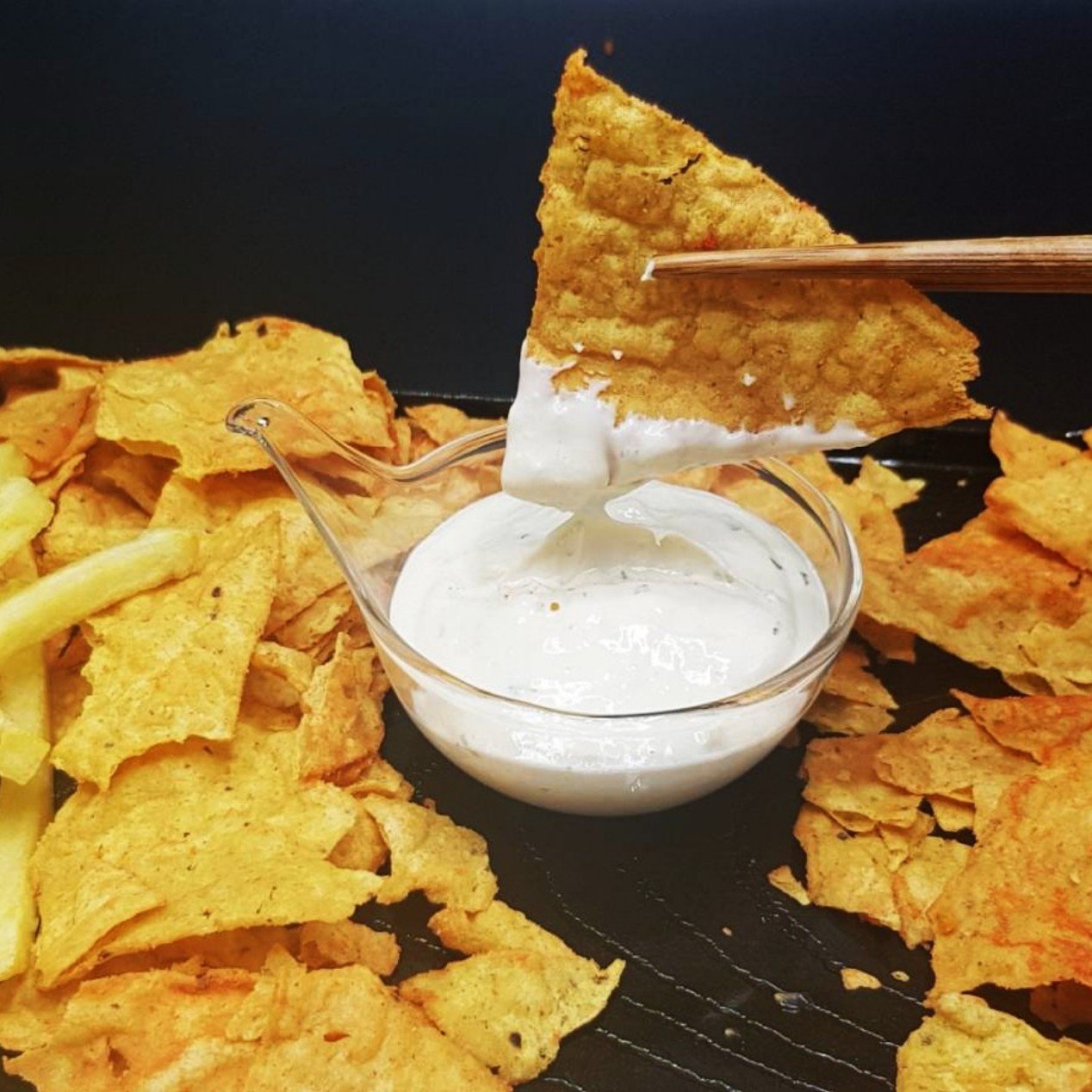
Blue cheese is known both for its unusual appearance, which sets it apart from other cheeses, and for its fairly strong flavor. It is one of the most widely known cheeses and is used as a topping for various dishes, or sometimes melted and added to dishes such as salad dressings or cheese dip to give a particularly rich and distinctive cheese flavor.
When talking about blue cheese, Gorgonzola also comes up. It is a type of blue cheese with a milder flavor, and its origin is different: blue cheese is believed to have originated by accident long ago in the early Middle Ages, while Gorgonzola was produced later in Italy. Otherwise they are similar. For example, both have blue-green veins of Penicillium mold, an edible type of mold, spread throughout the cheese, and they have similar nutritional profiles. That is why Gorgonzola is often mentioned alongside blue cheese.
Gorgonzola, one type of blue cheese, is made from pasteurized milk with Penicillium mold, such as Penicillium roqueforti, rennet, and salt added. Once the curds have formed, they are pressed into molds to remove liquid and then aged for 2 to 6 months. Gorgonzola aged for just two months is creamy, melts in the mouth, and has a milder flavor than longer-aged versions, because the longer it is aged, the firmer the texture and the stronger the cheese flavor. Products labeled as certified Gorgonzola must meet the required production process and quality standards.
7. Emmental cheese
Emmental originated in Switzerland, which is why it is often called Swiss cheese. It is a semi-hard cheese with a distinctive appearance: many large holes inside the cheese. It is often drawn as the symbol of cheese in cartoons alongside mice, so the holes are sometimes mistakenly thought to be made by mice nibbling on it, but that is not the case at all. The holes actually form from gas bubbles produced naturally during aging. It has many uses: it can be eaten cold in slices with sandwiches, nuts, and fruit, or made into a sauce for pasta or sandwiches. Because it melts well and has a pleasant cheese aroma, it is also commonly used to make cheese dip and cheese fondue.

In brief, this cheese is made by warming milk, adding whey left over from a previous batch of cheese, and adding enzymes to make the milk curdle. Once the curds form, they are placed in molds, excess liquid is removed, and the cheese is soaked in brine before being aged. Before aging, propionic bacteria are added, which produce propionic acid and carbon dioxide gas inside the cheese, giving it its characteristic flavor and distinctive holes.
8. Edam cheese
Edam originated in the Netherlands. It has a semi-hard texture and a flavor similar to Gouda that is not very sharp, slightly sweet, and creamy when eaten. It is also similar to cheddar in having a rich cheese aroma, and its flavor becomes more pronounced the longer it is aged. It is often eaten with fruit for a tasty, refreshing combination.
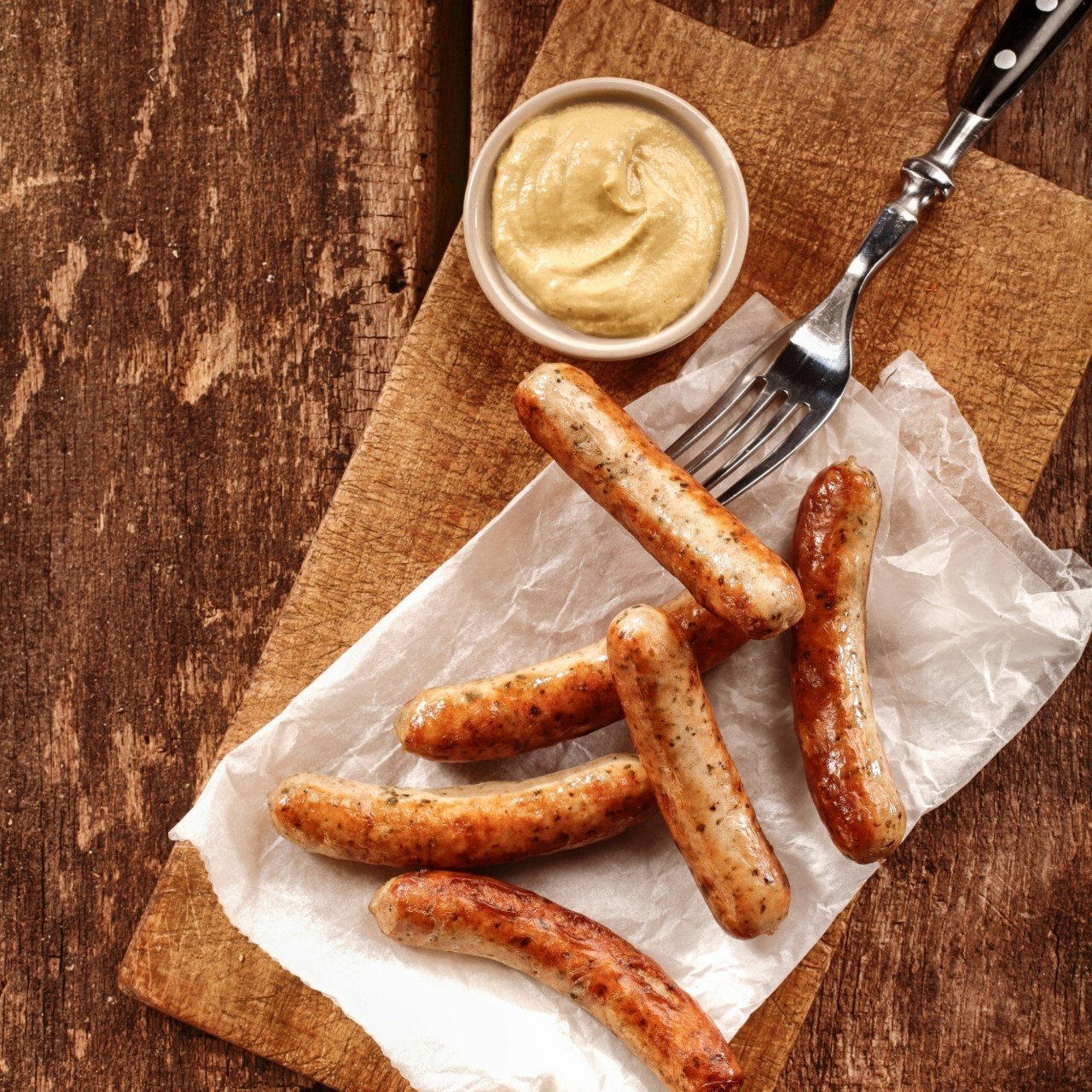
To produce Edam, pasteurized milk is used and rennet is added to make it curdle. The curds are cut, excess liquid is pressed out, and they are placed in molds. The cheese is then soaked in brine to inhibit the growth of unwanted bacteria and aged for months to years under set conditions. The aged cheese is coated in wax to help prevent contamination during transport.
9. Provolone Cheese
This cheese originated in Italy. It is a soft to semi-hard cheese that goes through an aging process and comes in two types: Dolce, which has a mild, smooth flavor and is aged for only about 2-3 months, and Piccante, which is aged for about 6-12 months, giving it a stronger flavor.
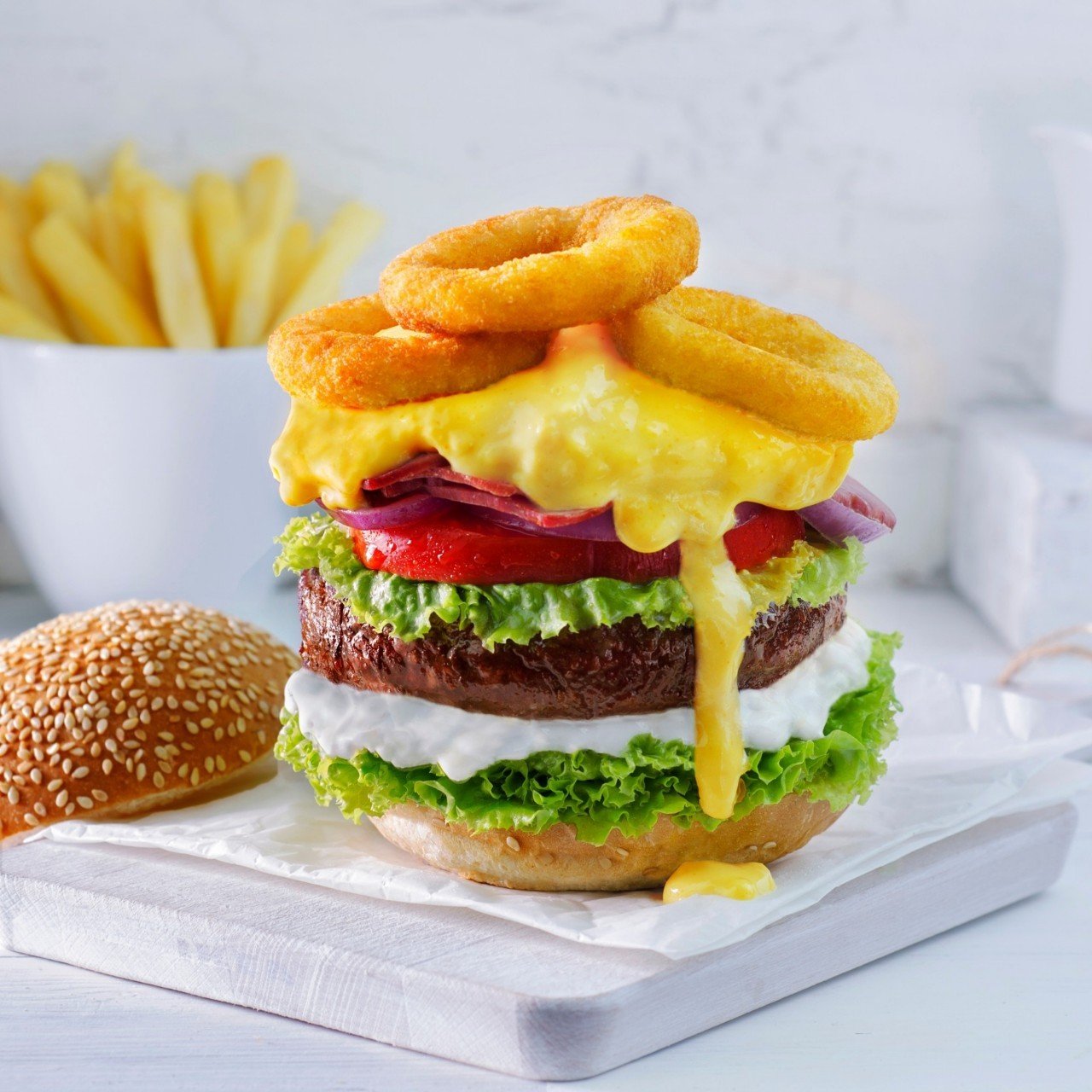
Provolone can be eaten in many ways because it pairs well with a wide variety of foods. For example, it can be sprinkled over salads or eaten with desserts and fruit. Because it melts well, it also works in baked or toasted sandwiches, where it melts nicely with warm bread. It can even be used on pizza in place of mozzarella.
This cheese can be made from cow's milk, buffalo milk, or a mix of the two. The first steps are similar to making mozzarella: the milk is curdled using whey left over from a previous batch of cheese, which contains bacteria that help with fermentation, and rennet is added to help the milk form curds. The curds are then stretched and aged.
10. Processed cheese
Processed cheese is not made entirely of natural cheese. It contains about 50% cheese, with the rest made up of other ingredients and additives such as salt, food coloring, preservatives, stabilizers, additional dairy products, and others.

Cheese is made into processed cheese so that its flavor and texture can be adjusted as needed. It also allows the cheese to have a consistent flavor and texture, since it is seasoned and adjusted to the same specifications each time, making it possible to produce large quantities to meet consumer demand.
How Cheese Melts
When cheese is the main ingredient in a cheese dip, one problem may be that the cheese does not stay liquid. Many types of cheese, when used alone and left to cool down, will harden, and the cheese dip may become too firm for dipping. That is why many recipes add other ingredients such as mayonnaise, cornstarch, and others, so the cheese dip does not need to be reheated while it sits out.
Normally, when cheese reaches around 32°C, the milk fat starts to liquefy and the cheese begins to soften. Beyond that, melting can be roughly divided by cheese type: at about 54°C, soft, high-moisture cheeses such as mozzarella (Mozzarella) and Brie (Brie) melt completely; at about 65°C, aged cheeses such as cheddar (Cheddar cheese) melt; and finally, at around 82°C, hard cheeses such as Parmigiano Reggiano (Parmigiano Reggiano) and Parmesan (Parmesan) become fully melted.
Factors that make cheese melt more or less easily are as follows:
1. Cheese moisture
High-moisture cheeses such as mozzarella (Mozzarella) and Brie (Brie) liquefy more easily because their proteins are loosely bound, with a lot of water between them. Low-moisture or hard cheeses contain little water, so they are harder to melt.
2. Cheese aging
Cheese does not always need to be aged, but aging produces a wider variety of cheeses. The aging process differs for each type of cheese and mainly involves setting the temperature, adding enzymes, setting the acidity, and controlling the aging time. Aging for different lengths of time or at different temperatures produces not only different flavor intensities but also different textures. For example, cheese aged for a long time becomes harder, like Parmesan (Parmesan). During aging, the proteins inside the cheese are broken down into shorter strands that are held together by calcium. When aged cheese is heated, the calcium dissolves and the cheese melts. Unaged cheese such as mozzarella (Mozzarella) does melt when heated, but it also stretches into long strings because it has not been aged to break down the protein strands.
3. Fat content
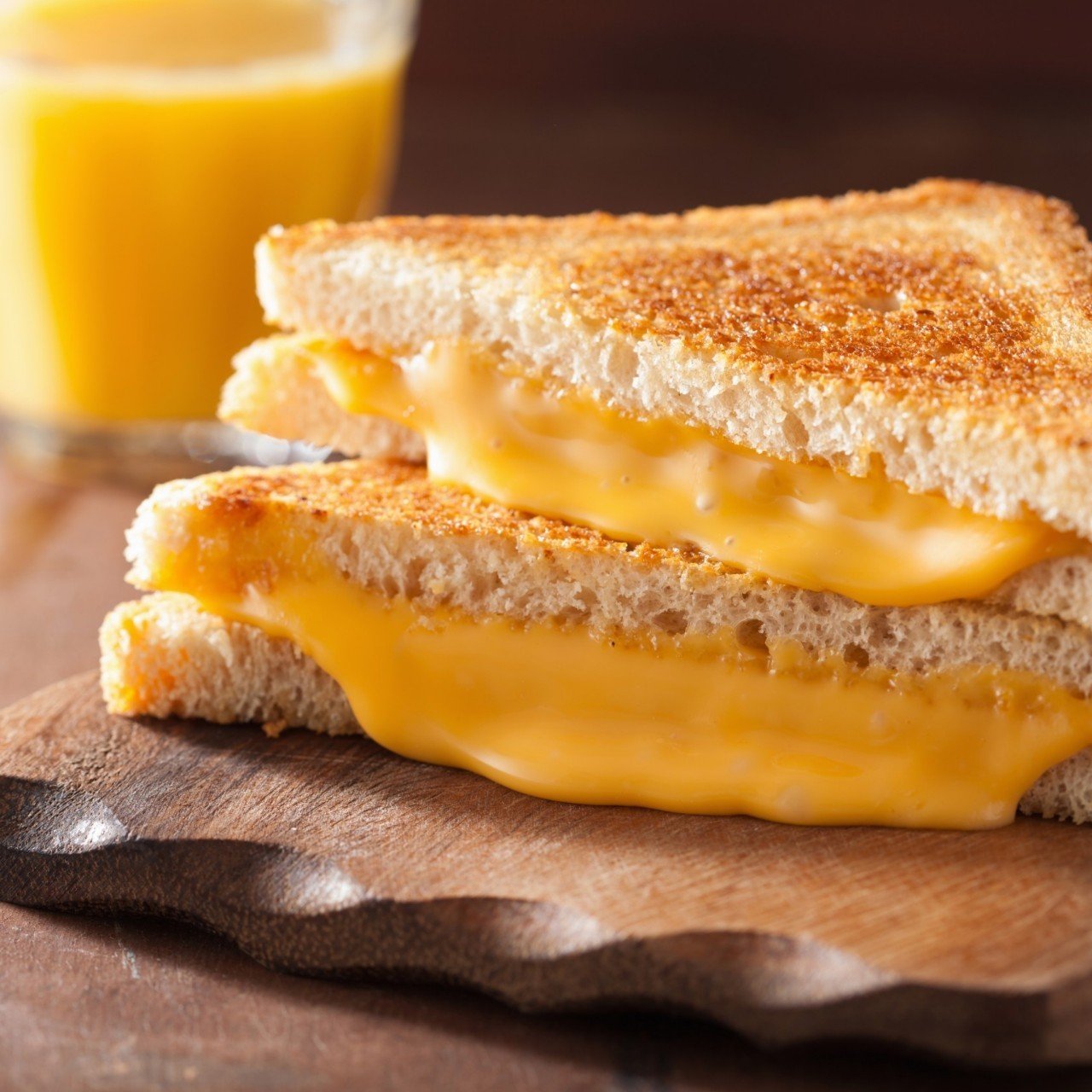
Cheeses with higher fat content melt better than lower-fat cheeses.
4. Cheese acidity
Cheese curdled directly with acid may look soft, but it does not melt well, or it could be said that it does not melt at all. This is because acid-curdled cheese is formed from proteins bound directly together rather than held together by calcium: the acid breaks the bonds between calcium and protein, splitting them into small proteins that then clump together. When this protein-clump cheese is heated, the proteins bind even more tightly, leaving no moisture for it to melt.

What to Do and What to Avoid to Keep Cheese Melted
5. Bring the cheese to room temperature so its temperature rises gradually to the melting point. If the temperature rises too quickly, the proteins in the cheese bind together rapidly and squeeze out the fat, forming greasy protein lumps.
6. Grate the cheese into small pieces. Grating increases the surface area exposed to heat, so the cheese melts faster.
7. Use low heat. Gradually raising the temperature to melt the cheese slowly helps prevent the fat from separating. The heat must not be too high.
8. Add a little acid. When making cheese dip or cheese fondue, the goal is to keep the cheese melted. Adding a small amount of acid such as wine or lemon juice breaks the calcium bonds that hold the proteins together, making the milk protein molecules smaller and dispersed. This is different from adding acid to curdle milk into protein lumps, because adding acid to cheese dip separates the proteins from the calcium so the small proteins spread throughout the other ingredients in the cheese dip mixture, which consist of water and oil molecules. The result is a smooth, uniform emulsion of milk proteins from the cheese and fat.
9. Add starch. The starch commonly used in cheese dip is cornstarch. When starch is added to cheese dip, it coats the small milk protein molecules and small fat droplets so they do not form protein lumps or pools of oil, helping the cheese dip stay smooth and melted for longer.
10. While the cheese is melting, do not stir it too vigorously, as this can cause the milk proteins to clump.
11. If possible, serve cheese dip warm rather than cold, because some cheese dip recipes may use cheese that hardens again when it cools.
12. If you want a cheese dip that stays melted for a long time, avoid cheeses with long milk protein strands such as mozzarella (Mozzarella). Although this cheese melts easily, when made into a cheese dip sauce, the texture will not be as creamy as with cheeses aged to break the proteins into short strands, such as cheddar (Cheddar cheese).
Read more:
• Homemade Cheese Dip: 7 Hot and Cold Recipes, Which Cheese to Use and How to Make It
📞 Phone: 081-546-6606 (24Hrs)
LINE: Line : @purefoods
E-mail: Pure Foods
