
Black shabu soup that tastes off or weak is usually caused by adding too much water for the ratio, adding water during the meal without tasting, or adding several seasonings until the flavor is unbalanced. ForBlack Shabu Soup, Concentrated Shabu Soup, Traditional Recipe, 900 g start with the ratio on the label, which is 100 g of concentrated soup per 1,500 ml of water, and taste every time before seasoning further.
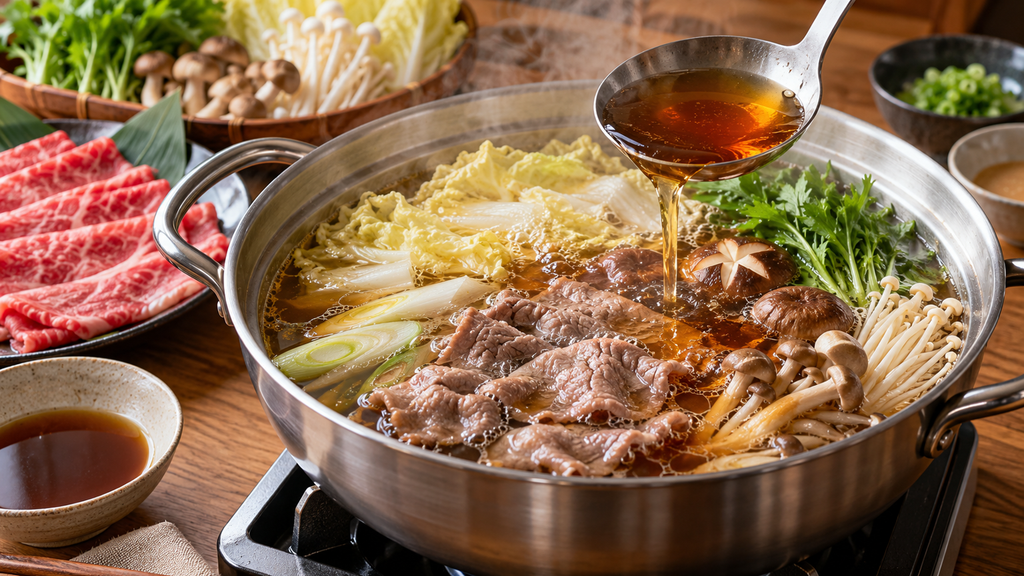
How Much Water Should Be Mixed with Pure Foods Black Shabu Soup?
Pure Foods Black Shabu Soup, Original Recipe, uses 100 g of concentrated soup per 1,500 ml (1.5 liters) of water according to the label. The 900 g bag makes about 9 pots, or around 6–10 pots depending on your preferred strength. For a smaller or larger pot, adjust both the soup and water in the same ratio.
| Concentrated soup | Water | Suitable for |
|---|---|---|
| 50 g | 750 ml | Small pot, or a trial portion for tasting |
| 100 g | 1,500 ml | Label ratio, 1 pot |
| 200 g | 3,000 ml | Large pot, or extra for topping up during the meal |
Always weigh the soup in grams and measure the water in milliliters. Don't estimate by the level in the pot or squeeze from the bag by eye, and don't treat grams and milliliters as interchangeable. If you prefer a stronger or milder taste, adjust a little at a time from this ratio and note the numbers you like for next time. For other recipes inBlack Shabu Category use the mixing ratio on that recipe's label.
What Are the 7 Things That Make Black Shabu Soup Taste Off or Weak?
1. Too much water for the ratio
Black shabu soup that is weak in both taste and aroma is usually caused by too much water relative to the concentrated soup, for example using a rice bowl instead of a measuring cup, or using a larger pot with the same amount of soup. Try mixing a small amount again according to the table above. If the flavor comes back, the fix is in how you measure, not in adding other seasonings.
2. Adding water during the meal without tasting again
There are 2 reasons the broth level drops during a meal. If it reduces from simmering, the taste gets stronger, so adding water is fine. But if a lot of broth has been ladled out and only water is added back, the taste keeps getting weaker. In this case, add broth already mixed to the ratio, and taste before and after every addition.
3. Switching seasonings but using the same amount
Shoyu, light soy sauce, dark soy sauce, and seasoning sauce differ in saltiness, sweetness, and aroma. Switching types and pouring the same amount can change the taste even if the color looks similar. If you want to try something new, test it in a separate cup first, and don't add dark soy sauce just for color, because color doesn't add to the base aroma of the broth.
4. Salty enough but not well-rounded
If the broth is salty enough but feels like something is missing, check whether you mixed the concentrated soup to the full ratio before adding more soy sauce or seasoning powder, because adding only salt makes it saltier without making it more rounded. If you've accidentally made it too salty, see the fix atBlack shabu broth too salty: how to fix it
5. Sweetness and saltiness out of balance
Some pots are so sweet they become cloying, while others are so salty that other aromas disappear. Think back to what sugar or sweet sauces you've already added. Adding sugar to mask saltiness doesn't reduce the salt in the pot; it just makes the soup both saltier and sweeter than before.
6. Water and sauce carried in with ingredients
Vegetables, tofu, and noodles that aren't drained, or meat marinated in sauce, change the taste of the pot from the start. A simple check is to taste the broth before adding food, then taste again after adding each group, so you'll know when the taste starts to change.
7. Comparing to a remembered restaurant taste without eating it the same way
The shabu taste you remember from a restaurant includes the dipping sauce, the meat you chose, and broth that has simmered with ingredients for a while. Tasting plain broth at home and comparing it to your memory of the whole meal may make it feel like something is missing. Taste it with cooked meat or vegetables and the dipping sauce you'll actually eat, then set a specific goal, such as more shoyu aroma or less sweetness.
How to Identify the Problem Before Choosing a Fix?
Black shabu soup that “tastes off” can have several symptoms, and each is fixed differently. Ladle out some plain broth and taste it without dipping sauce, then compare with this table.
| Symptom | Common causes | What to do |
|---|---|---|
| Weak in both taste and aroma | Too much water for the ratio, or water added several times | Add concentrated soup a little at a time in a test cup first, then adjust the whole pot |
| Salty but lacking aroma | Soy sauce or seasoning powder added instead of concentrated soup | Stop adding salt and check the soup ratio first |
| Too sweet, cloying | Extra sugar or sweet sauce added | Dilute a small sample with water and taste again |
| Too salty | Too much soup for the ratio, or simmered until reduced | See the article on black shabu that is too salty |
| Burnt, bitter, or very different smell from usual | Not a weak-taste problem | Stop using it, don't add seasonings to mask it, and contact LINE @purefoods |
How Do You Adjust One Thing at a Time and Get the Same Taste Every Time?
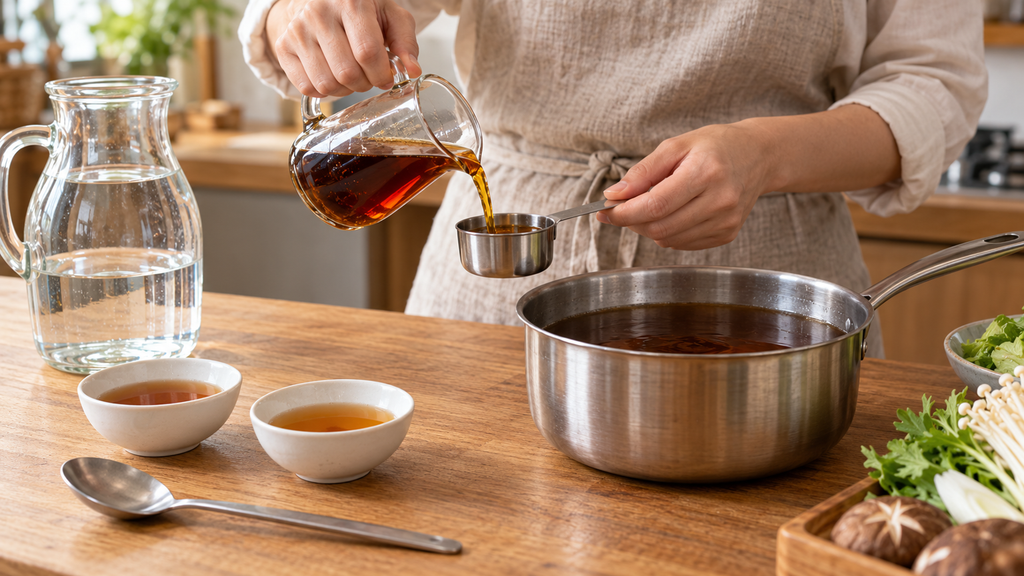
The effective way to adjust black shabu soup is to fix one thing at a time in a separate cup, then note what you did for next time.
- Ladle broth into 2 cups: keep one for comparison and use the other for testing.
- Choose one issue to fix first, such as dilution, and measure everything you add.
- Taste with a separate tasting spoon, not chopsticks or a ladle used for raw meat, and taste with cooked food and dipping sauce.
- Adjust the whole pot a little at a time based on the results, then taste again before the next addition.
- Write down the amounts of water, concentrated soup, added seasonings, and water added during the meal, in grams and milliliters.
For shabu restaurants, write a starting recipe based on the restaurant's actual pot size, clearly separate the containers of water and mixed broth, and have all staff top up during the meal the same way. If each person measures or tops up differently, the taste will differ from table to table even with the same concentrated soup.
Frequently Asked Questions
The Black Soup Is Already Dark, So Why Does It Still Taste Weak?
Color doesn't indicate the saltiness, sweetness, or aroma of the broth. If you add dark soy sauce only for color, the broth may still be weak. Check the ratio of concentrated soup to water first.
Does Simmering Longer Make the Soup Stronger?
Reduced liquid can make the taste stronger, but it doesn't add missing aroma and may become saltier or sweeter than you want. It's better to fix the mixing ratio than to rely on simmering time.
If You Use the Same Concentrated Soup as a Restaurant, Will It Taste the Same?
Not necessarily, because the amount of water, added seasonings, ingredients, and how broth is topped up during the meal may differ. Start with the ratio on the label, then adjust to suit the ingredients and dipping sauce you eat.
If There's Broth Left from a Previous Meal, Should You Add More Concentrated Soup?
Always taste first. Broth that has simmered with ingredients usually gets stronger as it reduces. If the taste is still right, top up with broth mixed to the ratio rather than pouring in concentrated soup directly. Read other tips atHow to Enjoy Black Shabu Soup Even More
Summary
For black shabu soup that tastes off or weak, fix the ratio first by mixing 100 g of concentrated soup per 1,500 ml of water, then adjust one thing at a time and taste each time. For usage questions or restaurant orders, contact LINE @purefoods
📞 Phone: 081-546-6606 (24Hrs)
LINE: Line : @purefoods
E-mail: Pure Foods
